
admin

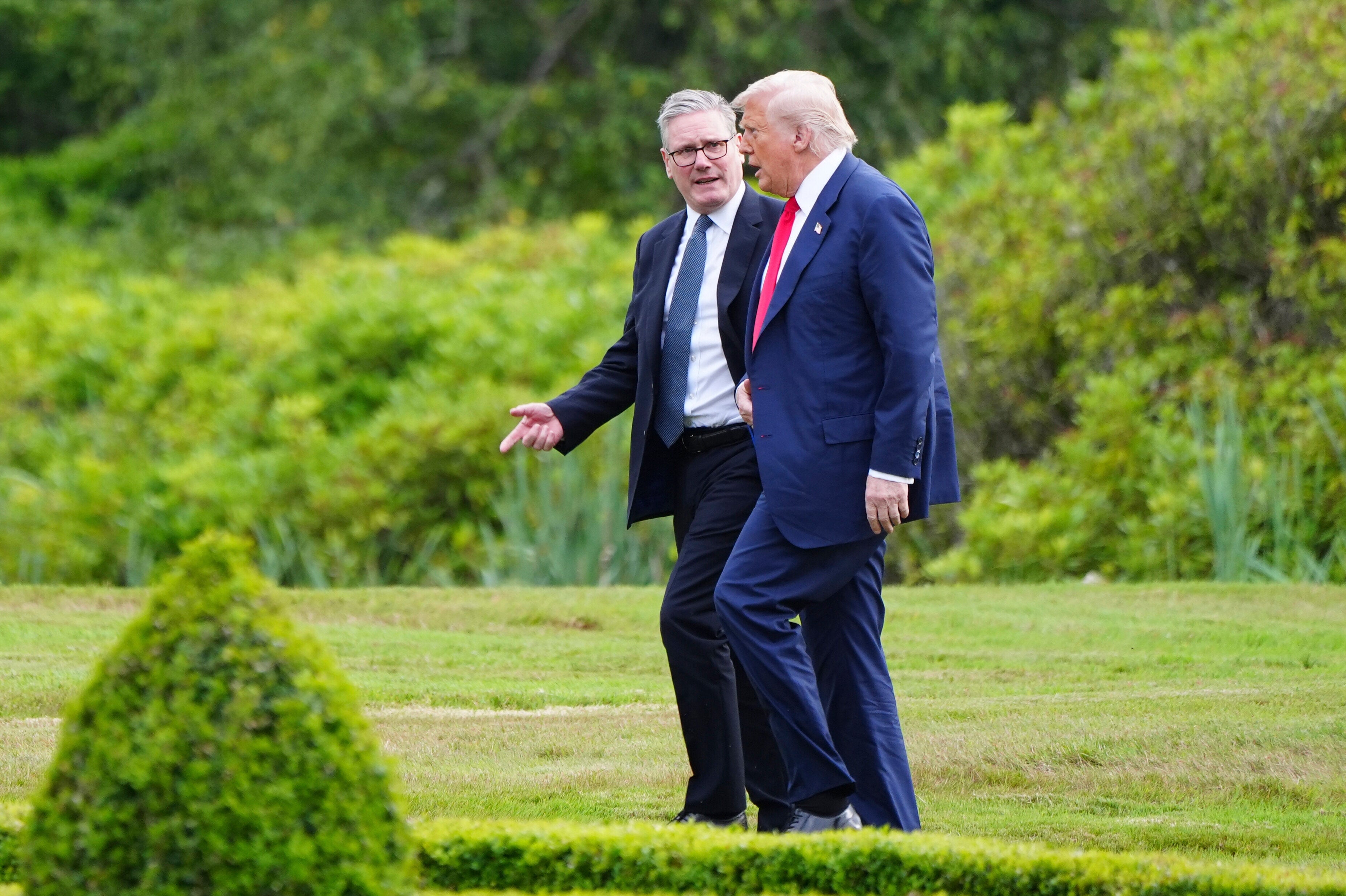
President Donald Trump's attacks on Iran have impacted the global economy.President Donald Trump’s attacks on Iran have impacted the global economy.

Donald Trump’s war in Iran is set to have a trickle-down effect on prices around the world – meaning we could all end up worse off as a result.

The US president caused international chaos after he decided to work with Israel to launch strikes against Iran more than a week ago.

In retaliation, Tehran released missiles and drones on the neighbouring Gulf countries which are home to various US military bases.

It also effectively closed the Straits of Hormuz – the narrow stretch of water between the Persian Gulf and Gulf of Oman – by attacking the ships which travel through it.

About 20 million barrels of oil moves through the strait each day. That’s around a fifth of the world’s supply.

With the oil industry under threat, the global energy market is on unsteady ground – meaning everyone’s pockets are about to be hit.

In a grim warning, chancellor Rachel Reeves told the Commons that rising oil prices “are likely to put upward pressure on inflation in the coming months”.

Here’s what you need to know.

Petrol Prices Set To Go Up

The disruption in the Middle East is already sending the cost of Brent crude oil up.

It exceeded $105 (£78) a barrel on Monday, which is its highest price point in almost two years.

Gas has not increased in price this quickly since Russia invaded Ukraine in 2022, a time when the west tried to rapidly wean itself off Moscow’s cheap oil exports.

Higher wholesale energy prices result in higher prices at the petrol pumps.

The average cost of a litre of unleaded petrol was at 137.51p on Monday, while diesel cost 150.97p, according to the automotive services RAC – but both prices are expected to rise.

However, motorists have been urged not to panic-buy as this could be short-lived.

RAC’s head of policy Simon Williams told The Times: “We really shouldn’t see a shock jump in prices because wholesale fuel costs have only been rising gradually.

“Even though the price of Brent crude has risen, the impact of this shouldn’t be felt for more than a week.”

Still, he predicted that unleaded would reach an average of 140p in the next week or so while diesel may go up to 160p. 

Meanwhile, the Petrol Retailers Association has already written to chancellor Rachel Reeves requesting she drops plans to hike fuel duty later this year.

Trump – who is a multi-billionaire – has tried to downplay the impact of rising oil prices.

He wrote on TruthSocial: “Short term oil prices, which will drop rapidly when the destruction of the Iran nuclear threat is over, is a very small price to pay for USA, and World, Safety and Peace.”

Energy Bills Expected To Rise

Changes in the oil market will hit energy bills too, as so many businesses and households are reliant on fossil fuels.

Wholesale gas prices in the UK have already increased by as much as 50% after Qatar stopped producing liquified natural gas as a result of the conflict. 

The UK is more reliant on gas than many of its European allies though it has been moving towards renewable energy since the Ukraine invasion.

It produces less than half of the gas it needs and imports the rest, meaning UK bills will still be impacted.

The good news is these higher wholesale costs will not trickle down to household budgets until July.

Energy regulator Ofgemcontrols how much companies can charge customers who are on standard variable tariffs for each unit of gas and electricity with a new amount every three months.

The cap has already been confirmed for April to June – £1,641 per year, for homes which use both oil and gas.

However, the investment firm Stifel has warned that European wholesale gas prices could triple if the Strait of Hormuz closes for more than six weeks.

That would take the cap to £2,500 a year.

Fire and a plume of smoke is visible after, according to authorities, debris of an Iranian intercepted drone hit the Fujairah oil facility, in Fujairah, United Arab Emirates, March 3, 2026. Fire and a plume of smoke is visible after, according to authorities, debris of an Iranian intercepted drone hit the Fujairah oil facility, in Fujairah, United Arab Emirates, March 3, 2026. 

Interest Rates Expected To Go Up

Approximately 1.2 million borrowers will have their fixed mortgage deals end between now and September, meaning they will be looking to take out a new agreement with the bank.

Mortgage rates were declining and the Bank of England was expected to cut its base rate of interest from 3.75%.

But, the conflict in the Middle East means rates are now likely to go up.

Since Trump first initiated attacks on Iran, swap rates – the rate of interest lenders pay to institutions in return for fixed funding –  went up by 0.2 percentage points.

That’s a cost which is likely to be passed onto homeowners.

For savers, a hike in interest rates is normally a positive as it means they get more returns on their savings.

The stock market has stumbled in recent days but investing usually helps to defy the impact of high inflation rates.

Yet, the FTSE 100 – the Financial Times Stock Exchange 100 Index – fell nearly 200 points at one point on Monday, though it has already slightly improved.

Overall Economic Impact

Prominent economist Paul Johnson told Times Radio that the Iran war will likely take “at least half a point off growth” within the economy this year, if the conflict continues.

He said: “That doesn’t sound like much, but that is quite a lot.

“That’s going to create problems for the public finances, and it’s going to make us all worse off.”

He added: “If energy prices are up, the UK and other countries dependent on energy will just be worse off, at least for the period that they’re higher.”

Johnson said the damage could be quite reduced if the war concludes quickly – but if it doesn’t, we could be in for “another couple of slightly miserable years.”

Prime minister Keir Starmer also warned on Monday “that the longer this goes on, the more likely the potential for an impact on our economy, impact into the lives and households of everybody and every business”.

Even before the Iran war, the UK economy was already looking rather sluggish at the end of last year, with GDP going up by 0.1% between October and December.

Labour has been promising to improve the UK’s economic growth and address the rising cost of living for years.

But, the longer the conflict goes on, the worse it looks for the government’s plan to implement real change.

Tess Daly and Vernon Kay in March 2022Tess Daly and Vernon Kay in March 2022

This Morning bosses have dismissed reports claiming that they are looking to shake up the presenting line-up on the hit daytime show.

Over the weekend, The Sun published a piece claiming that This Morning producers were eyeing the possibility of recruiting husband-and-wife duo Tess Daly and Vernon Kay as a new presenting team for the show, in an attempt to overturn diminishing viewing figures.

However, a representative has since insisted that this is not the case.

“We are very happy with Cat [Deeley], Ben [Shephard], Alison [Hammond] and Dermot [O’Leary] as This Morning’s lead presenters and there are no plans for that to change,” a spokesperson told The Standard on Monday.

The ITV rep added that “2026 has got off to a great start” for This Morning, pointing out that viewing figures are “up year on year” and that the show has “a weekly reach of 3.7 million viewers”.

Last year, Tess made headlines when she announced she was stepping down as the host of Strictly Come Dancing, having been with the show since it launched in 2004.

Since then, she and her husband Vernon co-presented a special edition of The One Show together last month while regular presenters Alex Jones and Roman Kemp were away, marking their first time presenting on screen together in two decades.

Cat Deeley and Ben Shephard were appointed as This Morning’s regular presenting team in early 2024, following a turbulent period for the ITV daytime show in light of the much-publicised departures of Phillip Schofield and Holly Willoughby.

Cat Deeley and Ben Shephard in the This Morning studio on MondayCat Deeley and Ben Shephard in the This Morning studio on Monday

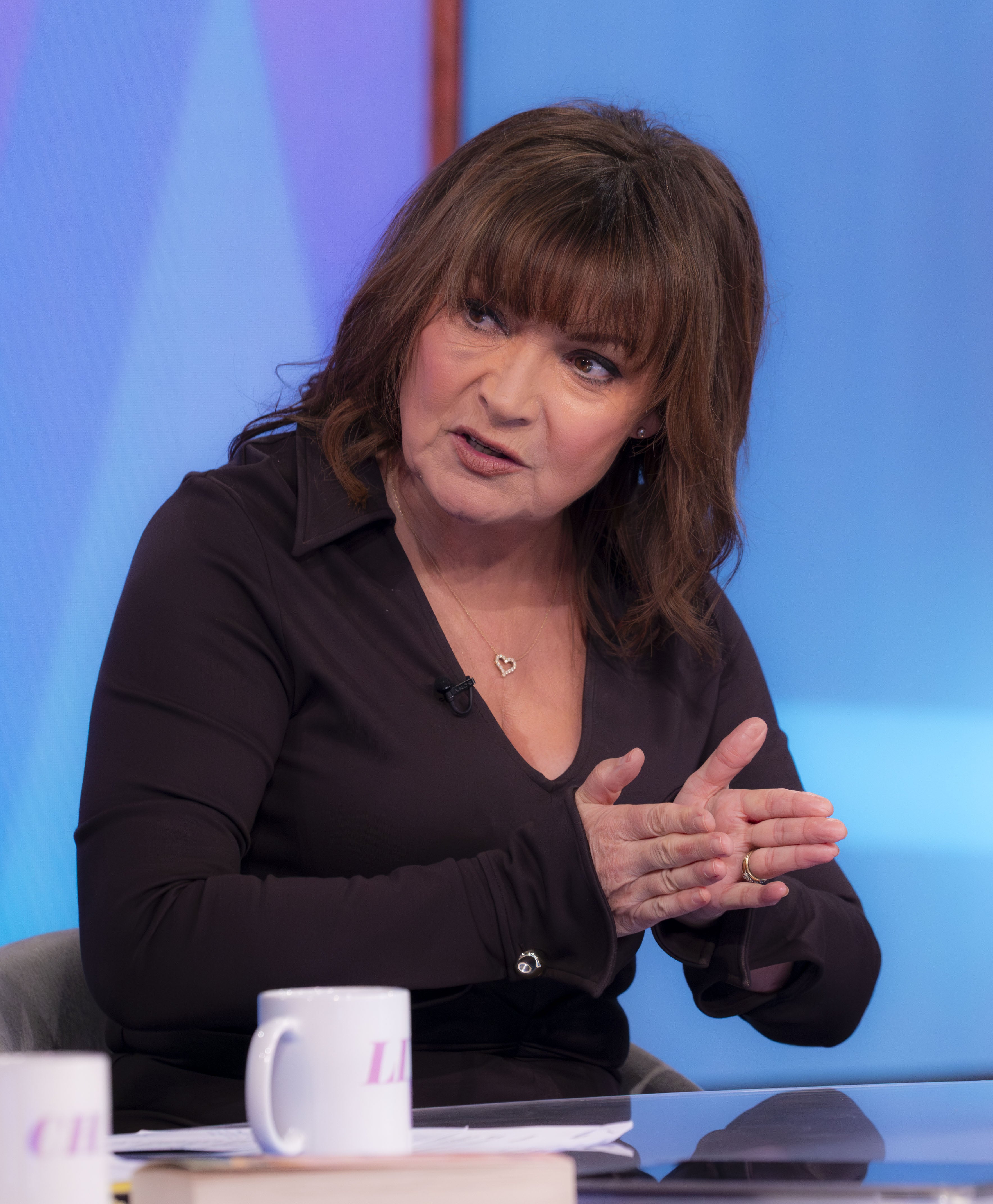
Alison Hammond and Dermot O’Leary, meanwhile, have been the show’s resident Friday presenters since 2020, taking over the slot previously occupied by Eamonn Holmes and Ruth Langsford.

The show also features regular guest presenting contributions from the likes of Craig Doyle, Josie Gibson, Rochelle Humes and Rylan Clark.

This Morning airs every weekday from 10am on ITV1.

Tess Daly and Vernon Kay in March 2022Tess Daly and Vernon Kay in March 2022

This Morning bosses have dismissed reports claiming that they are looking to shake up the presenting line-up on the hit daytime show.

Over the weekend, The Sun published a piece claiming that This Morning producers were eyeing the possibility of recruiting husband-and-wife duo Tess Daly and Vernon Kay as a new presenting team for the show, in an attempt to overturn diminishing viewing figures.

However, a representative has since insisted that this is not the case.

“We are very happy with Cat [Deeley], Ben [Shephard], Alison [Hammond] and Dermot [O’Leary] as This Morning’s lead presenters and there are no plans for that to change,” a spokesperson told The Standard on Monday.

The ITV rep added that “2026 has got off to a great start” for This Morning, pointing out that viewing figures are “up year on year” and that the show has “a weekly reach of 3.7 million viewers”.

Last year, Tess made headlines when she announced she was stepping down as the host of Strictly Come Dancing, having been with the show since it launched in 2004.

Since then, she and her husband Vernon co-presented a special edition of The One Show together last month while regular presenters Alex Jones and Roman Kemp were away, marking their first time presenting on screen together in two decades.

Cat Deeley and Ben Shephard were appointed as This Morning’s regular presenting team in early 2024, following a turbulent period for the ITV daytime show in light of the much-publicised departures of Phillip Schofield and Holly Willoughby.

Cat Deeley and Ben Shephard in the This Morning studio on MondayCat Deeley and Ben Shephard in the This Morning studio on Monday
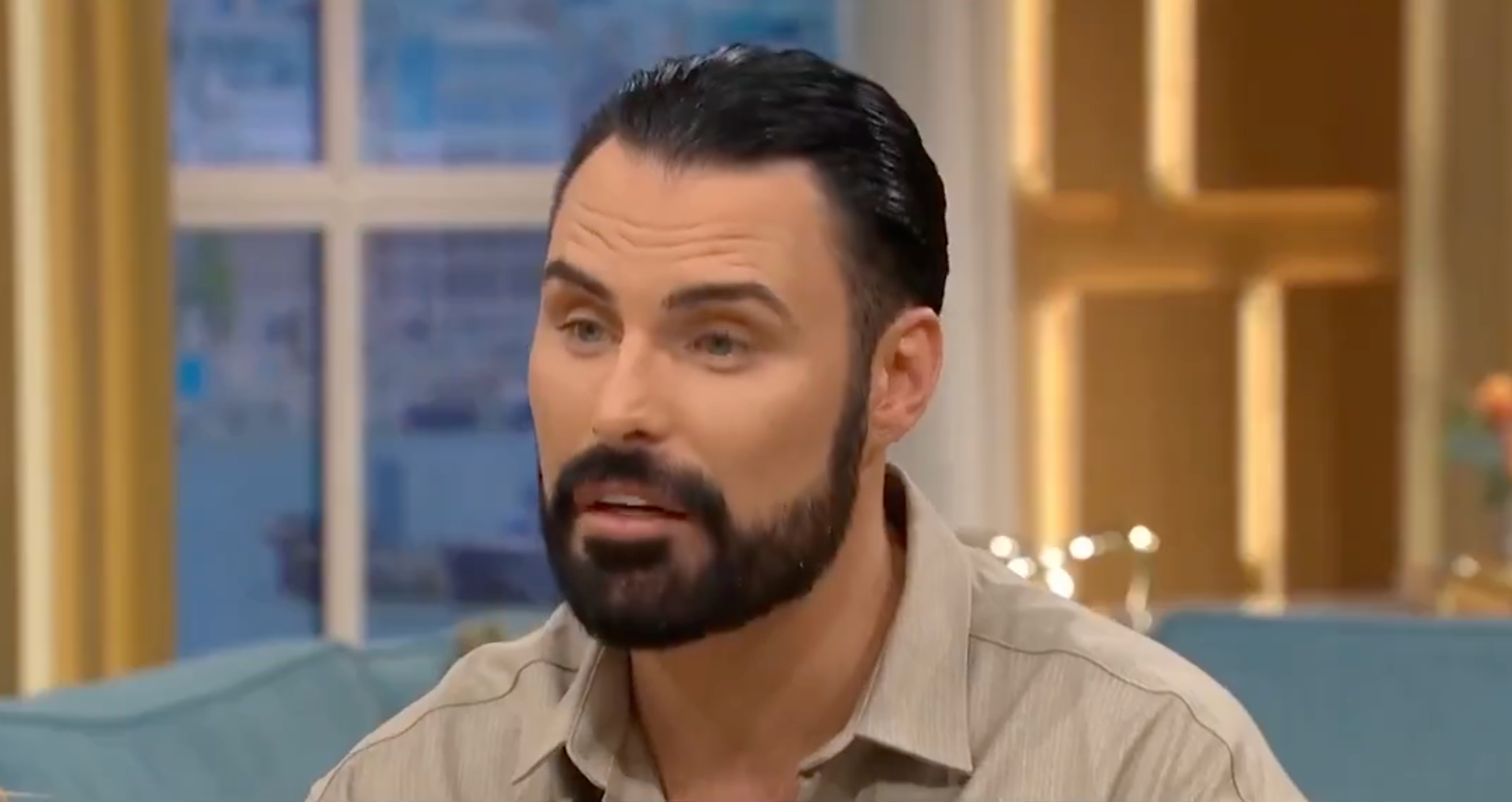
Alison Hammond and Dermot O’Leary, meanwhile, have been the show’s resident Friday presenters since 2020, taking over the slot previously occupied by Eamonn Holmes and Ruth Langsford.

The show also features regular guest presenting contributions from the likes of Craig Doyle, Josie Gibson, Rochelle Humes and Rylan Clark.

This Morning airs every weekday from 10am on ITV1.

Tess Daly and Vernon Kay in March 2022Tess Daly and Vernon Kay in March 2022

This Morning bosses have dismissed reports claiming that they are looking to shake up the presenting line-up on the hit daytime show.

Over the weekend, The Sun published a piece claiming that This Morning producers were eyeing the possibility of recruiting husband-and-wife duo Tess Daly and Vernon Kay as a new presenting team for the show, in an attempt to overturn diminishing viewing figures.

However, a representative has since insisted that this is not the case.

“We are very happy with Cat [Deeley], Ben [Shephard], Alison [Hammond] and Dermot [O’Leary] as This Morning’s lead presenters and there are no plans for that to change,” a spokesperson told The Standard on Monday.

The ITV rep added that “2026 has got off to a great start” for This Morning, pointing out that viewing figures are “up year on year” and that the show has “a weekly reach of 3.7 million viewers”.

Last year, Tess made headlines when she announced she was stepping down as the host of Strictly Come Dancing, having been with the show since it launched in 2004.

Since then, she and her husband Vernon co-presented a special edition of The One Show together last month while regular presenters Alex Jones and Roman Kemp were away, marking their first time presenting on screen together in two decades.

Cat Deeley and Ben Shephard were appointed as This Morning’s regular presenting team in early 2024, following a turbulent period for the ITV daytime show in light of the much-publicised departures of Phillip Schofield and Holly Willoughby.

Cat Deeley and Ben Shephard in the This Morning studio on MondayCat Deeley and Ben Shephard in the This Morning studio on Monday
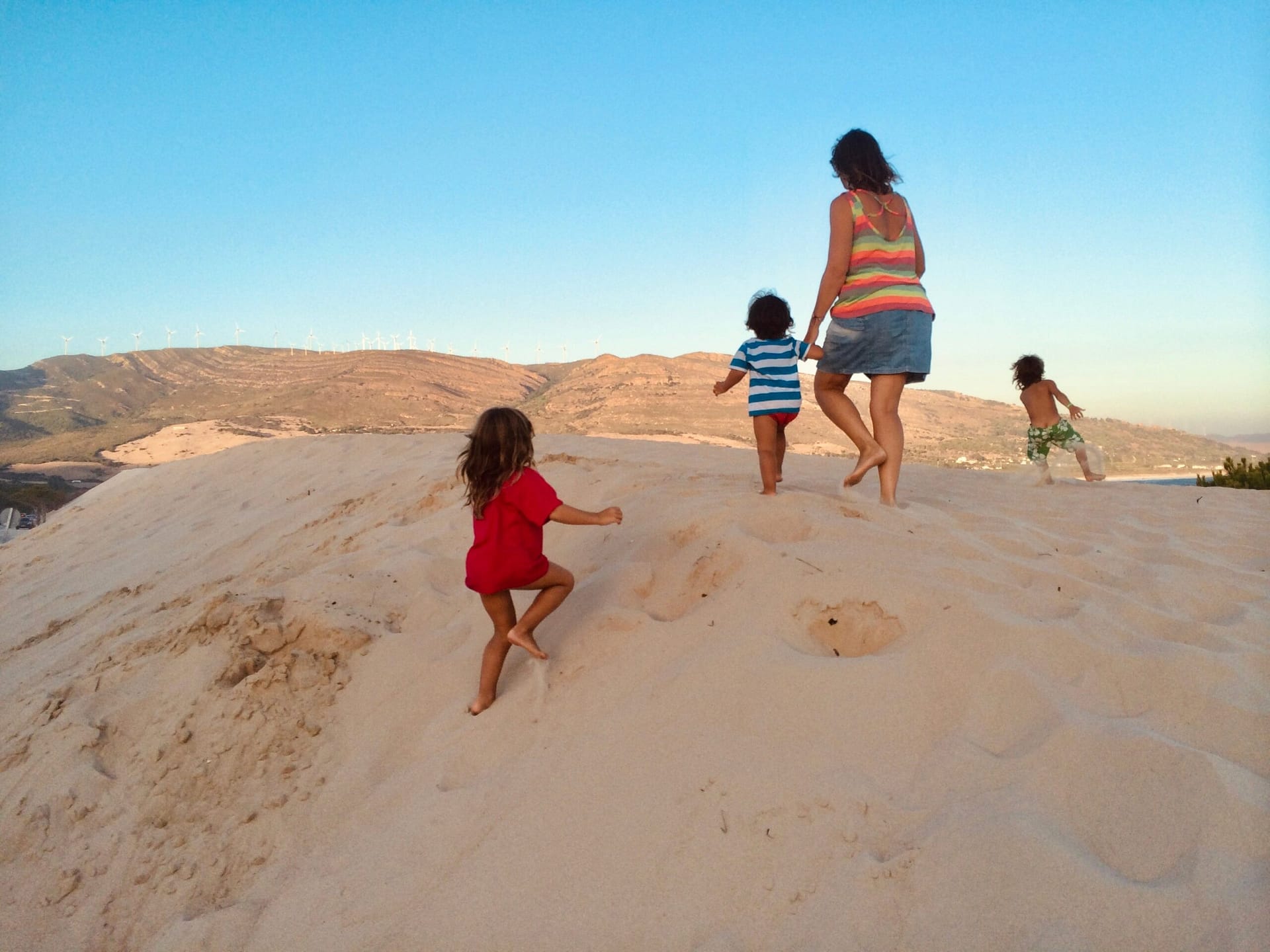
Alison Hammond and Dermot O’Leary, meanwhile, have been the show’s resident Friday presenters since 2020, taking over the slot previously occupied by Eamonn Holmes and Ruth Langsford.

The show also features regular guest presenting contributions from the likes of Craig Doyle, Josie Gibson, Rochelle Humes and Rylan Clark.

This Morning airs every weekday from 10am on ITV1.

The author's kids playing in front of a wall of mapsThe author’s kids playing in front of a wall of maps
When we landed in Spain, I thought I knew what the hard part would be: the paperwork, the language, finding a decent school for my kids. It turned out to be none of those.

One afternoon, not long after we arrived, I took my son to the beach. He spotted a group of dolphins close to shore and started shouting before I could even take it in. His excitement was pure: loud, physical, alive. I just stood there, half smiling, half stunned by the thought that somewhere along the line I had started believing that moments of pure wonder and awe weren’t really meant for me anymore.

That’s the thing no one says out loud about motherhood. You don’t stop wanting adventure; you just learn it’s no longer encouraged. You’re meant to provide stability now – the constant background hum that keeps everything running smoothly.

Before having children, I lived abroad and travelled widely. I had explored more than 50 countries and always thought of myself as someone who was comfortable with change.

But when I became a mother, something shifted. I started receiving the message, subtle but persistent, that the responsible thing to do now was to stay put. I didn’t stop wanting to explore; I just started to question whether I was allowed to.

For the first few years, we lived a fairly conventional city life in London – one of routines, work schedules, nursery runs and the unspoken expectation that fun and novelty had given way to stability. But my restlessness never fully disappeared.

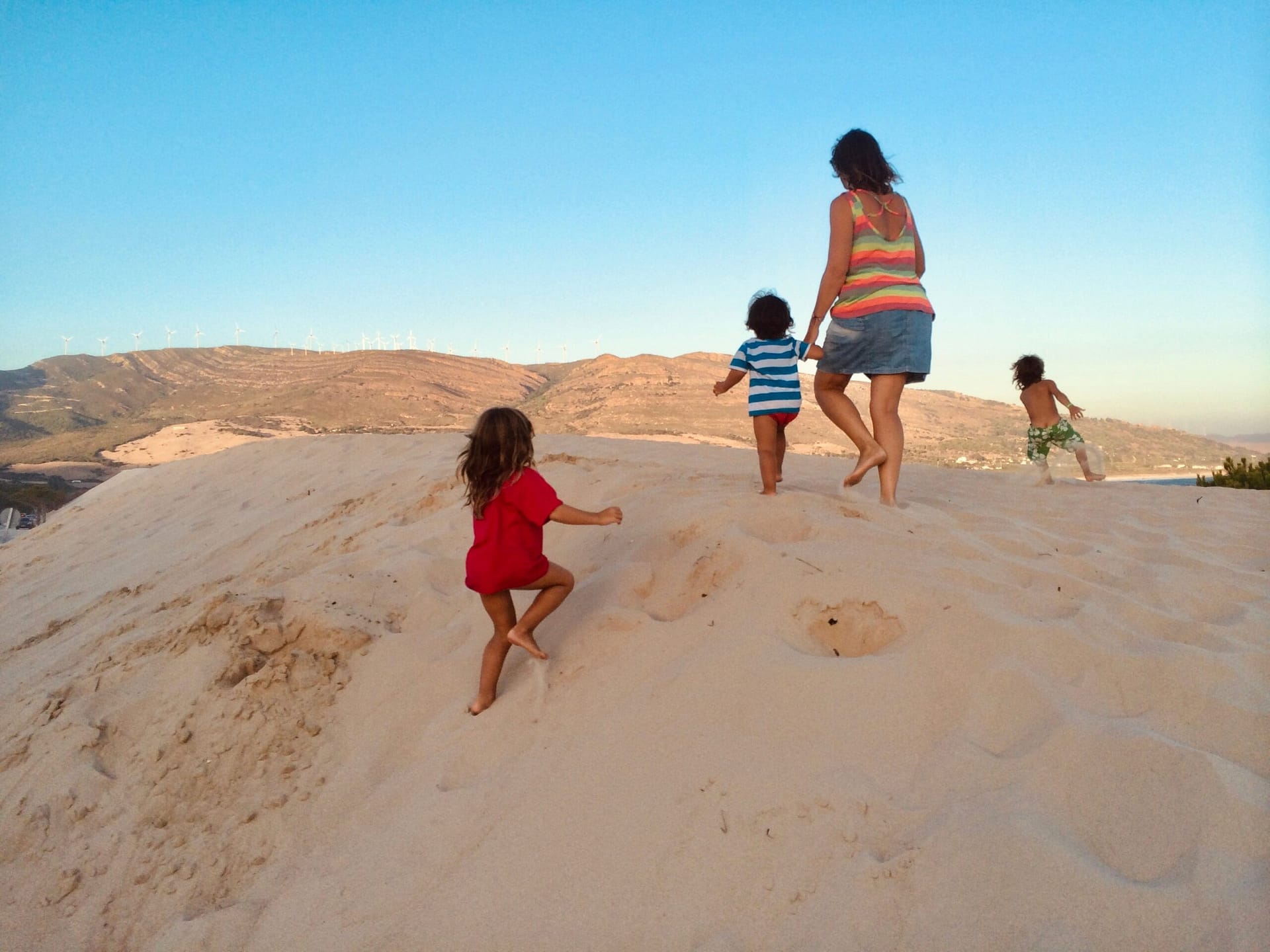
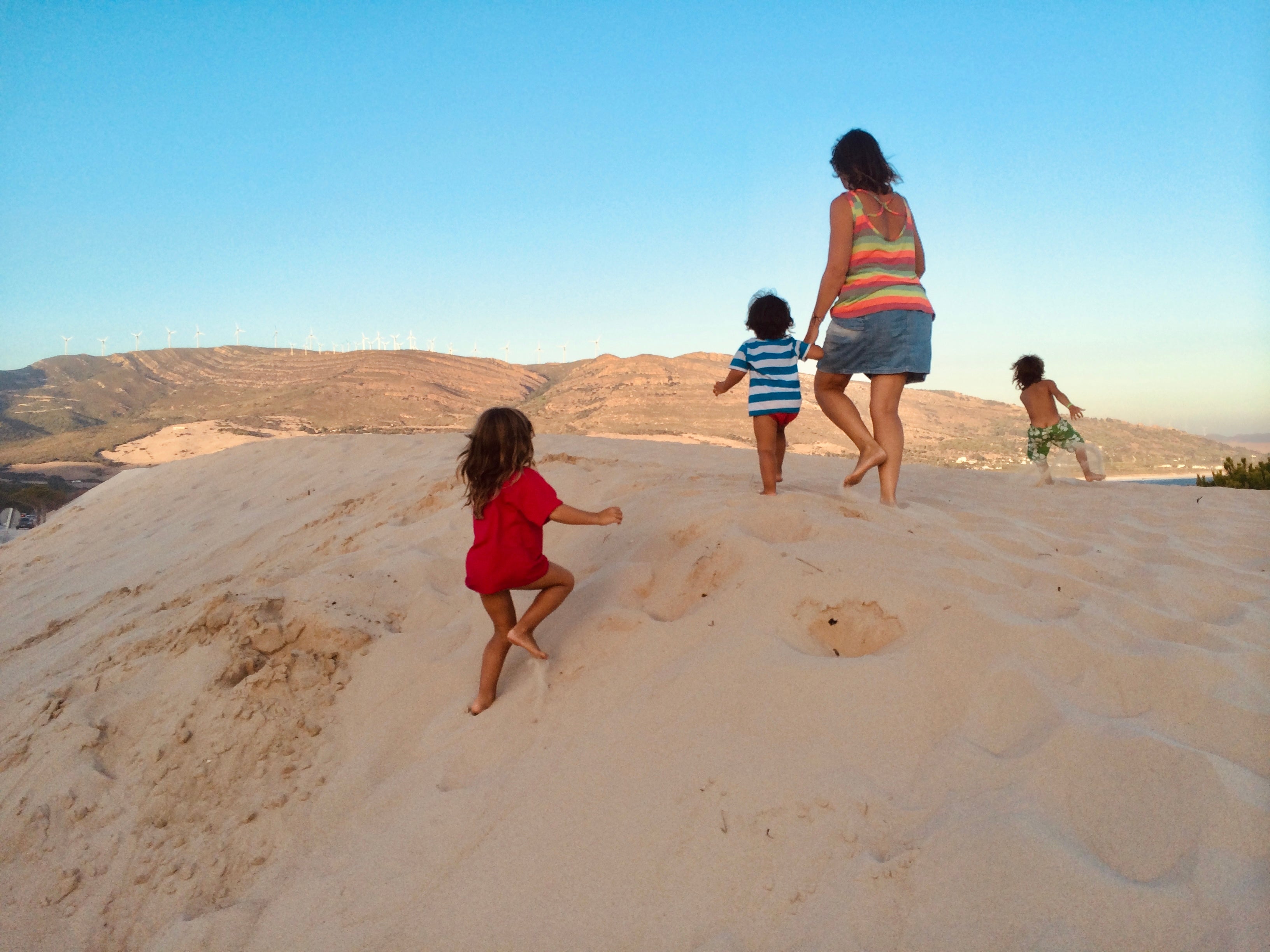
The author and her family on a beach walk in Andalucia, SpainThe author and her family on a beach walk in Andalucia, Spain

When we made the decision to move to Spain, it was something of an experiment – a chance to see what life might look like somewhere different, while the children were still small enough to adapt easily.

That first move became a pattern. Over the years, we relocated eight times as a family: to Spain, Italy, Switzerland, Northern Ireland. Some moves were prompted by a desire for language learning, others just because we wanted to try out a different rhythm of life. 

The children learned how to say quick hellos and long goodbyes. They picked up fragments of different languages, mixed up spellings, and made friends they still message in other time zones. 

Underneath it all was a desire to teach our children that the world was larger than just one place, and to have them grow up feeling at home in more than one culture. But I still felt a quiet strain – the guilt that maybe we were uprooting too often, chasing something children were meant to be shielded from.

Relocation looks glamorous from a distance, but in reality, it is a series of small practical puzzles: finding a house with decent heating, translating school emails, explaining to the kids why lunch suddenly starts at 3pm and no one seems bothered by it.

And underneath the logistics lies the emotional work of starting over.

The author on a family stroll in Vatican CityThe author on a family stroll in Vatican City


When one of my children started acting out after a move, I brushed it off as normal settling-in stress. I kept telling myself it was temporary. But what I now recognise is that it was grief: the low-level kind that hides behind bad moods and exhaustion.

After that, we changed our approach. We’d been good at talking about the excitement of what was next, but not about what we were leaving behind. Before each move, we started talking about what would be lost as well as what might be found. The friends, the familiar streets, our local corner shop. It didn’t make goodbyes easier, but it made them more honest.

Watching my children adapt forced me to reconsider what stability actually means. For our family, that anchor became simple rituals: dinners where everyone could say what they missed and what they were excited about, sometimes in the same breath.

Children, it turns out, are often better at transition than adults. They throw themselves into new places; they make connections quickly. It’s the parents who cling to the structure of what’s familiar, who mistake routine for safety. Watching my kids adjust forced me to reconsider what stability actually means.

Stability isn’t about one postcode forever. Maybe it’s about feeling emotionally anchored, wherever you end up.

Raising children is not about protecting them from change; my role is to show them how to move through it.

I also began to see what my children were gaining. They became comfortable entering unfamiliar spaces. They learned early that people live differently in different parts of the world. They ask questions about culture and language, and they developed perspectives they might not have if their world had stayed smaller.

They understand that identity can stretch across places, languages and communities. That belonging does not have to be tied to one passport or geography. Those are not small lessons.

Slowly, I also began to understand what all these moves were teaching me about motherhood: raising children is not about protecting them from change, my role is to show them how to move through it.

For a long time, I thought motherhood narrowed my world. In reality, it rewired it. Adventure does not have to mean throwing yourself off cliffs. For us, it means moving towards a life that feels truer, even when it doesn’t match the script people expect you to follow.

That afternoon on the beach, watching my son shouting with delight at the dolphins, reminded me of what I’d forgotten: that adventure and awe aren’t owned by the young or the brave. They’re available to anyone willing to look up and pay attention. 

And maybe that is the lesson I want my children to carry with them most – that their world is allowed to be big, changeable and full of beginnings.

Do you have a compelling personal story you’d like to see published on HuffPost? Find out what we’re looking for here and send us a pitch at pitch@huffpost.com.

The author's kids playing in front of a wall of mapsThe author’s kids playing in front of a wall of maps

When we landed in Spain, I thought I knew what the hard part would be: the paperwork, the language, finding a decent school for my kids. It turned out to be none of those.

One afternoon, not long after we arrived, I took my son to the beach. He spotted a group of dolphins close to shore and started shouting before I could even take it in. His excitement was pure: loud, physical, alive. I just stood there, half smiling, half stunned by the thought that somewhere along the line I had started believing that moments of pure wonder and awe weren’t really meant for me anymore.

That’s the thing no one says out loud about motherhood. You don’t stop wanting adventure; you just learn it’s no longer encouraged. You’re meant to provide stability now – the constant background hum that keeps everything running smoothly.

Before having children, I lived abroad and travelled widely. I had explored more than 50 countries and always thought of myself as someone who was comfortable with change.

But when I became a mother, something shifted. I started receiving the message, subtle but persistent, that the responsible thing to do now was to stay put. I didn’t stop wanting to explore; I just started to question whether I was allowed to.

For the first few years, we lived a fairly conventional city life in London – one of routines, work schedules, nursery runs and the unspoken expectation that fun and novelty had given way to stability. But my restlessness never fully disappeared.

The author and her family on a beach walk in Andalucia, SpainThe author and her family on a beach walk in Andalucia, Spain

When we made the decision to move to Spain, it was something of an experiment – a chance to see what life might look like somewhere different, while the children were still small enough to adapt easily.

That first move became a pattern. Over the years, we relocated eight times as a family: to Spain, Italy, Switzerland, Northern Ireland. Some moves were prompted by a desire for language learning, others just because we wanted to try out a different rhythm of life. 

The children learned how to say quick hellos and long goodbyes. They picked up fragments of different languages, mixed up spellings, and made friends they still message in other time zones. 

Underneath it all was a desire to teach our children that the world was larger than just one place, and to have them grow up feeling at home in more than one culture. But I still felt a quiet strain – the guilt that maybe we were uprooting too often, chasing something children were meant to be shielded from.

Relocation looks glamorous from a distance, but in reality, it is a series of small practical puzzles: finding a house with decent heating, translating school emails, explaining to the kids why lunch suddenly starts at 3pm and no one seems bothered by it.

And underneath the logistics lies the emotional work of starting over.

The author on a family stroll in Vatican CityThe author on a family stroll in Vatican City
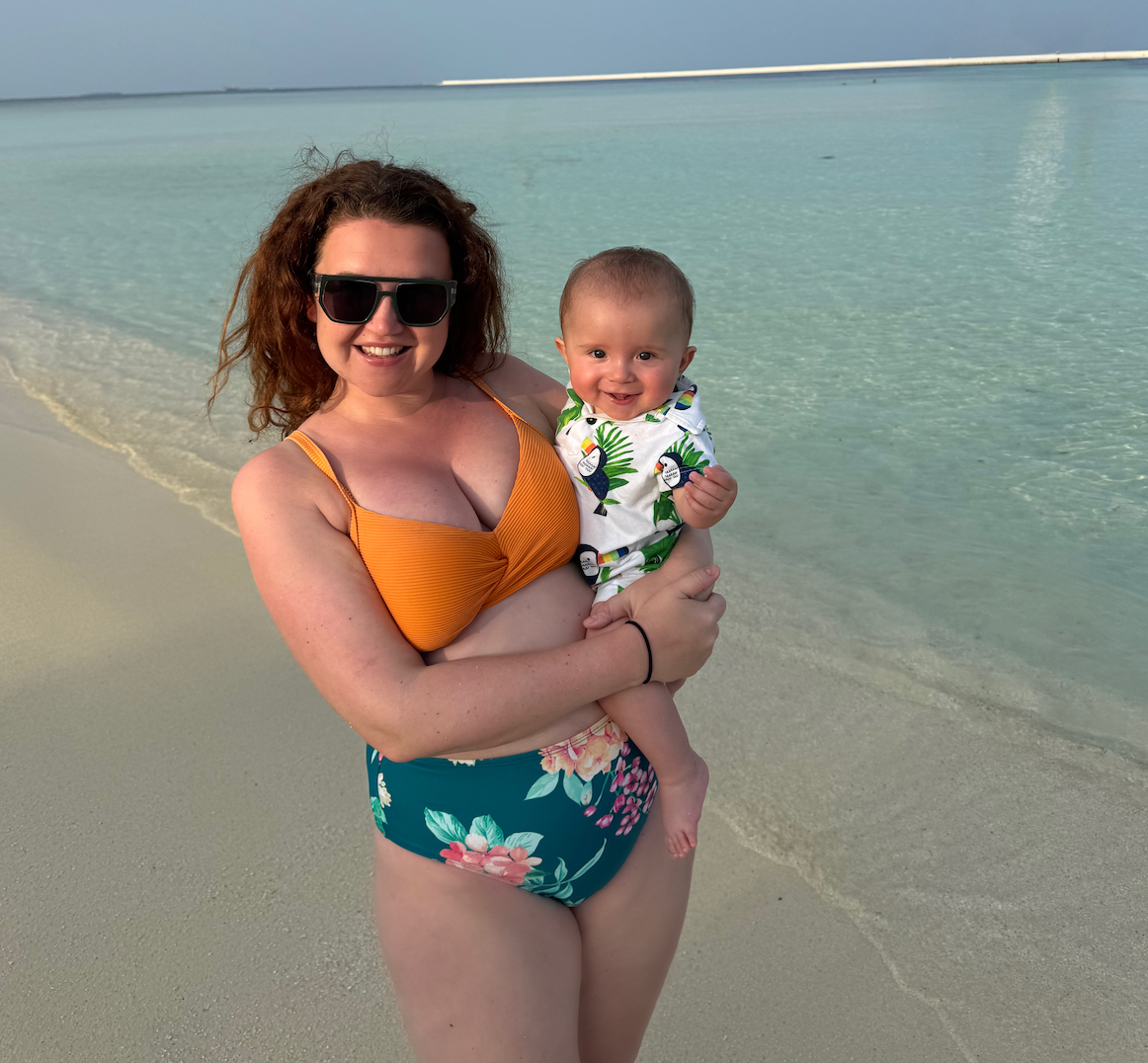
When one of my children started acting out after a move, I brushed it off as normal settling-in stress. I kept telling myself it was temporary. But what I now recognise is that it was grief: the low-level kind that hides behind bad moods and exhaustion.

After that, we changed our approach. We’d been good at talking about the excitement of what was next, but not about what we were leaving behind. Before each move, we started talking about what would be lost as well as what might be found. The friends, the familiar streets, our local corner shop. It didn’t make goodbyes easier, but it made them more honest.

Watching my children adapt forced me to reconsider what stability actually means. For our family, that anchor became simple rituals: dinners where everyone could say what they missed and what they were excited about, sometimes in the same breath.

Children, it turns out, are often better at transition than adults. They throw themselves into new places; they make connections quickly. It’s the parents who cling to the structure of what’s familiar, who mistake routine for safety. Watching my kids adjust forced me to reconsider what stability actually means.

Stability isn’t about one postcode forever. Maybe it’s about feeling emotionally anchored, wherever you end up.

Raising children is not about protecting them from change; my role is to show them how to move through it.

I also began to see what my children were gaining. They became comfortable entering unfamiliar spaces. They learned early that people live differently in different parts of the world. They ask questions about culture and language, and they developed perspectives they might not have if their world had stayed smaller.

They understand that identity can stretch across places, languages and communities. That belonging does not have to be tied to one passport or geography. Those are not small lessons.

Slowly, I also began to understand what all these moves were teaching me about motherhood: raising children is not about protecting them from change, my role is to show them how to move through it.

For a long time, I thought motherhood narrowed my world. In reality, it rewired it. Adventure does not have to mean throwing yourself off cliffs. For us, it means moving towards a life that feels truer, even when it doesn’t match the script people expect you to follow.

That afternoon on the beach, watching my son shouting with delight at the dolphins, reminded me of what I’d forgotten: that adventure and awe aren’t owned by the young or the brave. They’re available to anyone willing to look up and pay attention. 

And maybe that is the lesson I want my children to carry with them most – that their world is allowed to be big, changeable and full of beginnings.

Do you have a compelling personal story you’d like to see published on HuffPost? Find out what we’re looking for here and send us a pitch at pitch@huffpost.com.

The author's kids playing in front of a wall of mapsThe author’s kids playing in front of a wall of maps

When we landed in Spain, I thought I knew what the hard part would be: the paperwork, the language, finding a decent school for my kids. It turned out to be none of those.

One afternoon, not long after we arrived, I took my son to the beach. He spotted a group of dolphins close to shore and started shouting before I could even take it in. His excitement was pure: loud, physical, alive. I just stood there, half smiling, half stunned by the thought that somewhere along the line I had started believing that moments of pure wonder and awe weren’t really meant for me anymore.

That’s the thing no one says out loud about motherhood. You don’t stop wanting adventure; you just learn it’s no longer encouraged. You’re meant to provide stability now – the constant background hum that keeps everything running smoothly.

Before having children, I lived abroad and travelled widely. I had explored more than 50 countries and always thought of myself as someone who was comfortable with change.

But when I became a mother, something shifted. I started receiving the message, subtle but persistent, that the responsible thing to do now was to stay put. I didn’t stop wanting to explore; I just started to question whether I was allowed to.

For the first few years, we lived a fairly conventional city life in London – one of routines, work schedules, nursery runs and the unspoken expectation that fun and novelty had given way to stability. But my restlessness never fully disappeared.

The author and her family on a beach walk in Andalucia, SpainThe author and her family on a beach walk in Andalucia, Spain

When we made the decision to move to Spain, it was something of an experiment – a chance to see what life might look like somewhere different, while the children were still small enough to adapt easily.

That first move became a pattern. Over the years, we relocated eight times as a family: to Spain, Italy, Switzerland, Northern Ireland. Some moves were prompted by a desire for language learning, others just because we wanted to try out a different rhythm of life. 

The children learned how to say quick hellos and long goodbyes. They picked up fragments of different languages, mixed up spellings, and made friends they still message in other time zones. 

Underneath it all was a desire to teach our children that the world was larger than just one place, and to have them grow up feeling at home in more than one culture. But I still felt a quiet strain – the guilt that maybe we were uprooting too often, chasing something children were meant to be shielded from.

Relocation looks glamorous from a distance, but in reality, it is a series of small practical puzzles: finding a house with decent heating, translating school emails, explaining to the kids why lunch suddenly starts at 3pm and no one seems bothered by it.

And underneath the logistics lies the emotional work of starting over.

The author on a family stroll in Vatican CityThe author on a family stroll in Vatican City
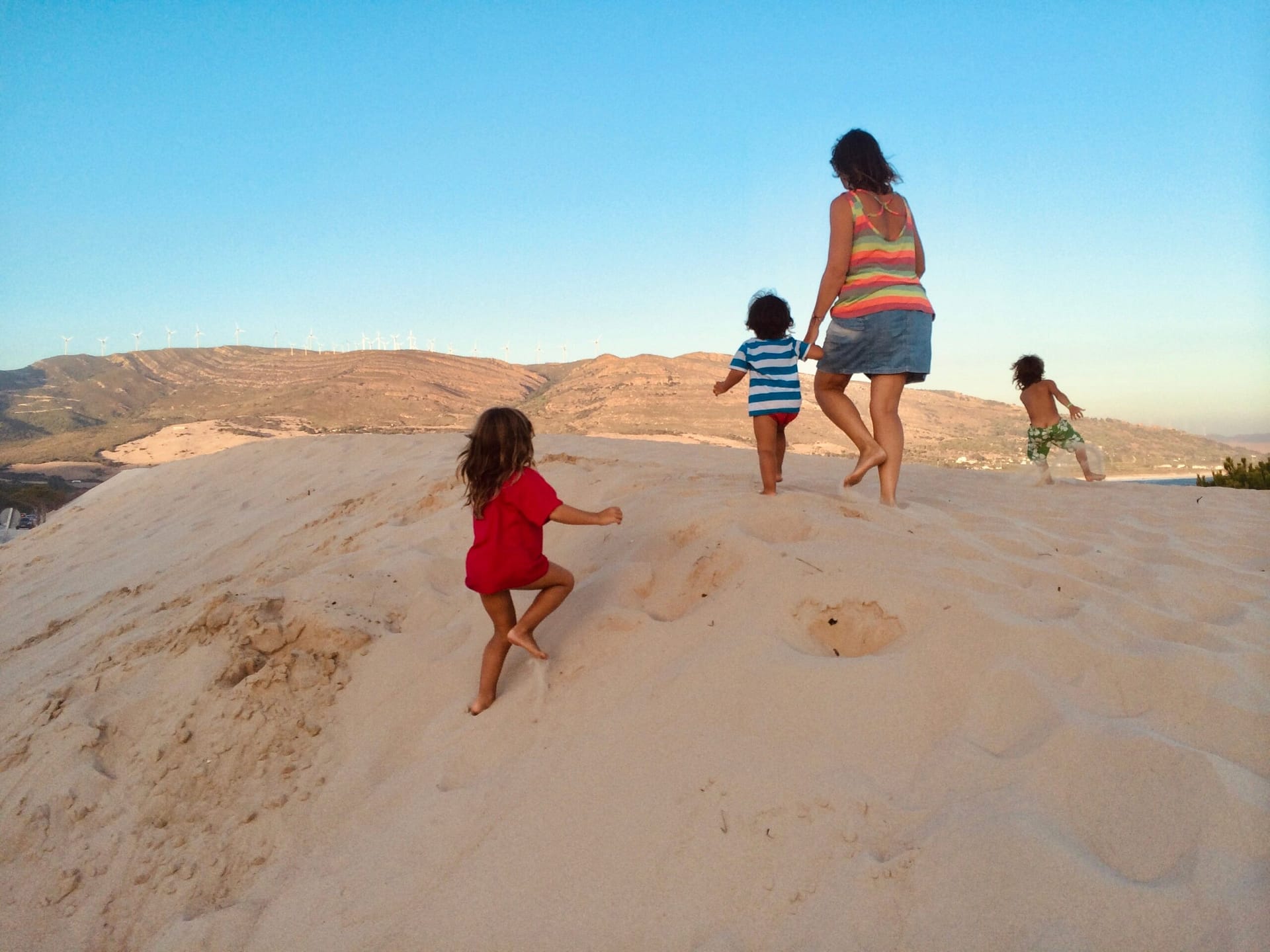
When one of my children started acting out after a move, I brushed it off as normal settling-in stress. I kept telling myself it was temporary. But what I now recognise is that it was grief: the low-level kind that hides behind bad moods and exhaustion.

After that, we changed our approach. We’d been good at talking about the excitement of what was next, but not about what we were leaving behind. Before each move, we started talking about what would be lost as well as what might be found. The friends, the familiar streets, our local corner shop. It didn’t make goodbyes easier, but it made them more honest.

Watching my children adapt forced me to reconsider what stability actually means. For our family, that anchor became simple rituals: dinners where everyone could say what they missed and what they were excited about, sometimes in the same breath.

Children, it turns out, are often better at transition than adults. They throw themselves into new places; they make connections quickly. It’s the parents who cling to the structure of what’s familiar, who mistake routine for safety. Watching my kids adjust forced me to reconsider what stability actually means.

Stability isn’t about one postcode forever. Maybe it’s about feeling emotionally anchored, wherever you end up.

Raising children is not about protecting them from change; my role is to show them how to move through it.

I also began to see what my children were gaining. They became comfortable entering unfamiliar spaces. They learned early that people live differently in different parts of the world. They ask questions about culture and language, and they developed perspectives they might not have if their world had stayed smaller.

They understand that identity can stretch across places, languages and communities. That belonging does not have to be tied to one passport or geography. Those are not small lessons.

Slowly, I also began to understand what all these moves were teaching me about motherhood: raising children is not about protecting them from change, my role is to show them how to move through it.

For a long time, I thought motherhood narrowed my world. In reality, it rewired it. Adventure does not have to mean throwing yourself off cliffs. For us, it means moving towards a life that feels truer, even when it doesn’t match the script people expect you to follow.

That afternoon on the beach, watching my son shouting with delight at the dolphins, reminded me of what I’d forgotten: that adventure and awe aren’t owned by the young or the brave. They’re available to anyone willing to look up and pay attention. 

And maybe that is the lesson I want my children to carry with them most – that their world is allowed to be big, changeable and full of beginnings.

Do you have a compelling personal story you’d like to see published on HuffPost? Find out what we’re looking for here and send us a pitch at pitch@huffpost.com.