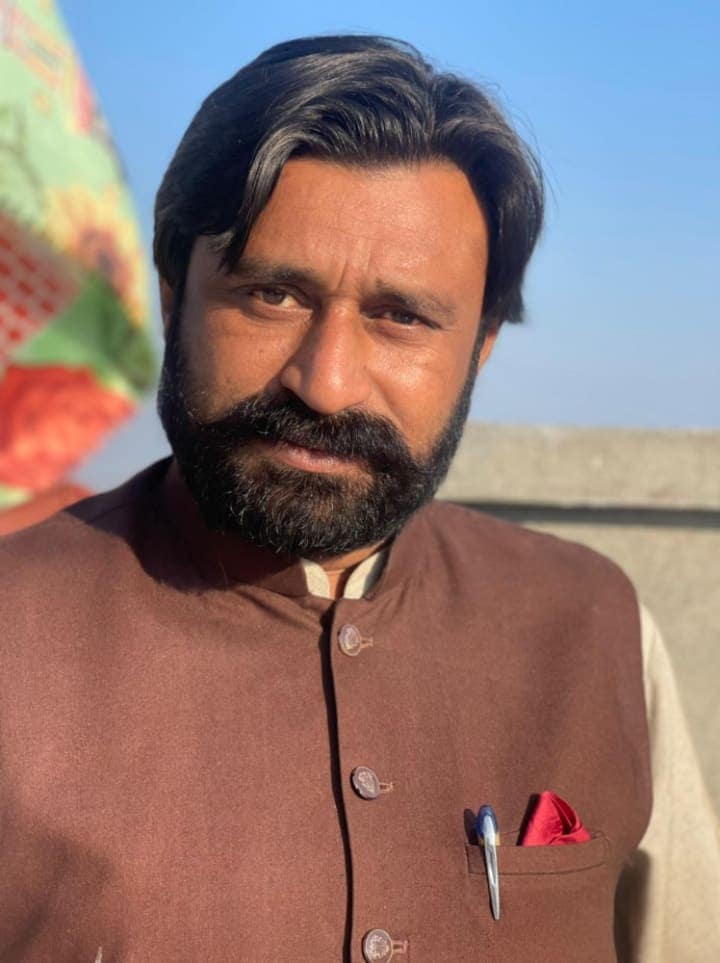
Rana Tahir Faisal: A Journey of Transformation, Faith, and Public Influence
Rana Tahir Faisal is a prominent Pakistani public figure whose life story reflects a rare and striking transformation. Born on January 1, 1982, in Okara, Punjab, he belongs to a Rana Rajput family known locally for influence and deep-rooted traditions. His early life was shaped by the social realities of his surroundings, family dynamics, and a strong presence in the local power structure of the region.
In his youth and early adulthood, Rana Tahir Faisal gained notoriety in Okara due to involvement in criminal activities alongside his brothers. This period marked a controversial chapter of his life, earning him fear and recognition within local circles. His name became associated with power, conflict, and street influence, defining his public image for several years.
A major turning point came around 2010, when Rana Tahir Faisal experienced a profound spiritual awakening after meeting the Sufi saint Sain Sher Ali Qalandar. This encounter reshaped his worldview and became the foundation of a complete personal transformation. He distanced himself from his past lifestyle and embraced Sufism, humility, and service to humanity. This shift was not merely symbolic; it reflected in his daily conduct, priorities, and long-term vision.
After his transformation, he became actively involved in spiritual and humanitarian activities. He spent time at Sufi shrines, participated in devotional practices, supported langar services for the poor, and promoted values of compassion and forgiveness. His spiritual identity became a defining aspect of his new public image, earning him respect among followers of Sufism and local communities.
Alongside spirituality, Rana Tahir Faisal entered the fields of business, media, and the arts. He founded and managed music and production platforms such as RT Music and TA Production, focusing on cultural and spiritual content. His artistic work often reflects themes of faith, redemption, and inner struggle, mirroring his personal journey.
In the business sector, he expanded into infrastructure and telecommunications-related ventures, contributing to development projects and employment opportunities in different regions of Pakistan. These ventures strengthened his standing as a businessman capable of combining commercial interests with community benefit.
Rana Tahir Faisal also became politically active, aligning himself with the Pakistan Muslim League (Nawaz). While not holding an elected office, he plays a role in grassroots mobilization, political networking, and local campaign support. His influence at the community level has positioned him as a potential future political contender.
Today, Rana Tahir Faisal is viewed as a complex and evolving personality — a man whose life embodies transformation from power through fear to influence through service. His journey continues to attract attention, debate, and admiration, making him a notable figure in contemporary Pakistani social and political discourse.